
-
Drop us an email: Click Here
-
Call us: +91 8929783205
- Get A Quote

Chardham Yatra With Valley Of Flowers From Haridwar
Price Per Person:
₹17200

Overview
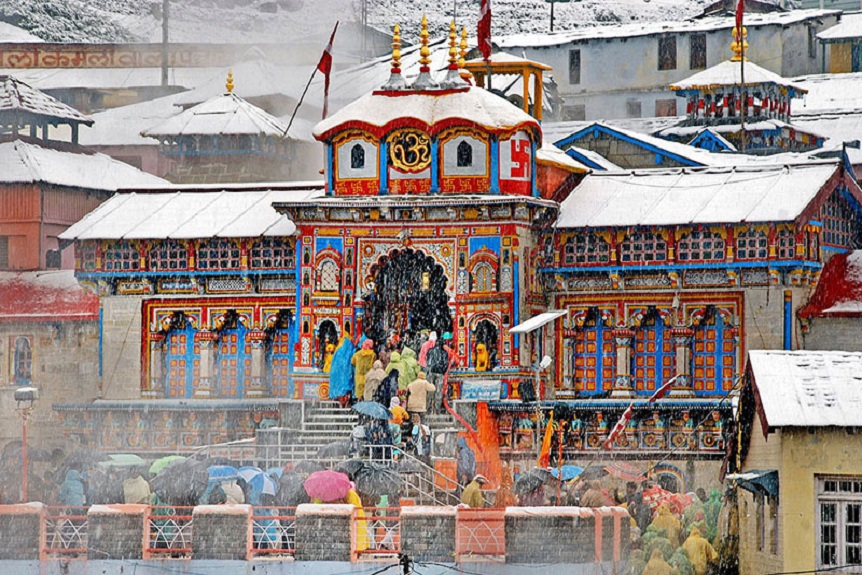
The Chardham Yatra With Valley Of Flowers From Haridwar takes one on a unique trip that covers both sides of Uttarakhand in one long Himalayan adventure. While the first leg of this tour is focused on the Char Dham pilgrimage, the second leg of the journey showcases travellers about the alpine meadows and mountain trails of the Garhwal Himalayas.
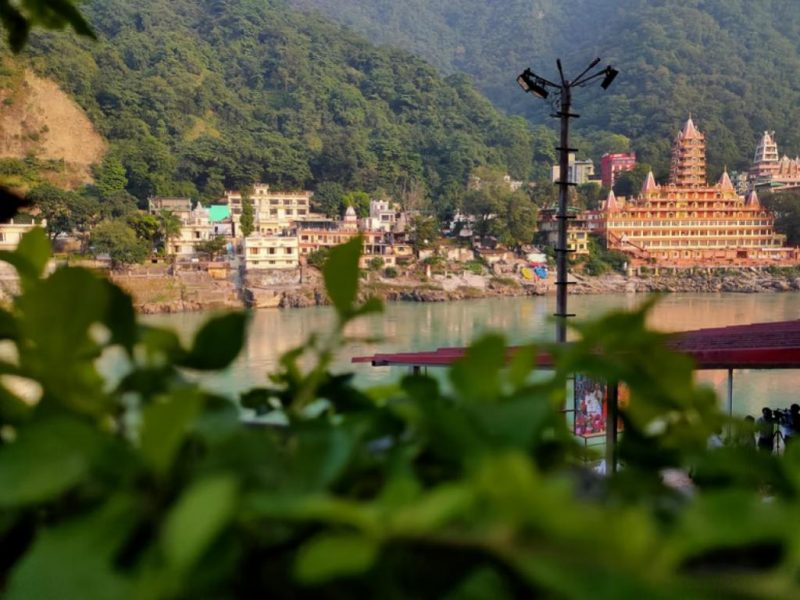
Haridwar forms a great point for starting this journey due to its proximity and connectivity from which the trip can be started easily. Starting from here, the journey takes one along the Char Dham route before moving further to the Chamoli region for the Valley of Flowers tour.
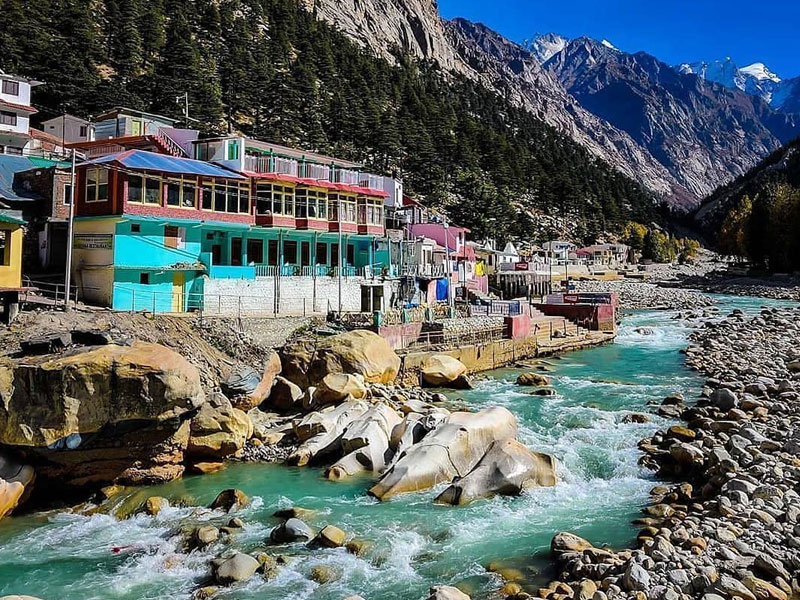
The Valley of Flowers National Park is a World Heritage Site of UNESCO and is popular for its alpine flora and high-altitude landscape. In this trek, the routes taken include Govindghat and Ghangaria, where Ghangaria is used as the starting point of the Valley of Flowers trek. According to Uttarakhand Tourism, the trek level of difficulty is moderate to difficult.
This unique route differs from a regular pilgrim’s route in that it does not culminate at Badrinath; it proceeds further towards the Valley of Flowers area, which becomes the highlight of their trekking and nature tour after visiting all four Dhams.
Inclusions
1. Accommodation at the scheduled hotels, guesthouses or stays included in the confirmed itinerary
2. Road transportation for the organised Char Dham and Valley of Flowers route
3. Pickup and drop-off at the designated Haridwar points
4. Meals according to the confirmed package plan
5. Transfers between the pilgrimage destinations and trekking-route bases
6. Scheduled accommodation at Ghangaria during the Valley of Flowers section
7. Driver allowance, fuel and regular vehicle operating expenses
8. Parking and standard road charges applicable to included transfers
9. Visits and activities specifically mentioned in the confirmed itinerary
Exclusions
1. Travel expenses required to reach Haridwar before the scheduled pickup
2. Personal travel after the final Haridwar drop-off
3. Food or beverages purchased outside the included meal arrangement
4. Personal shopping and individual expenses
5. Porter services or personal luggage handling unless specifically included
6. Pony, palki or other optional support used during applicable trekking sections
7. Helicopter services and independently selected transport
8. Valley entry charges, permits or other local fees unless specifically included in the package
9. Personal medical expenses and medicines
10. Travel insurance
11. Laundry, telephone and other personal-use hotel charges
12. Additional excursions not mentioned in the itinerary
13. Expenses resulting from weather disruption, road closures or unavoidable route changes
14. Any service not specifically mentioned in the confirmed package inclusions
Important Notes
1. This is a much more active itinerary compared to the regular Char Dham pilgrimage since it involves the trek to the Valley of Flowers.
2. The Valley of Flowers trek takes place only in the selected seasons. According to Uttarakhand Tourism, this experience is regarded as a medium-difficult trek; thus, visitors have to assess their fitness level prior to booking.
3. The Valley of Flowers is a reserved natural park. This means that tourists have to stay on the specified trek paths and obey all local regulations.
4. Make trekking shoes, rain gear, warm clothes and personal medications easily accessible.
5. Do not take extra luggage for the Ghangaria and Valley of Flowers trek sections.
6. One cannot consider the Valley of Flowers as an ordinary roadside sightseeing place, as a separate visit to it presupposes trekking.
7. Himalayan region weather may influence the road movement, trekking, and daily schedule.
8. The entrance into the valley and the arrangements for trekking have to be assessed in accordance with the season.
9. The whole itinerary includes some difficult parts. Thus, proper rest is vital for visitors.
10. Local optional services and trekking assistance need to be verified in advance of their use.
-

Day 1 : (Haridwar Arrival and Start of the Himalayan Pilgrimage (179 kms / 07 hrs 55 min)
Arrive in Haridwar at the reporting place and then meet the members of the tour group before setting off on the trip. Once you have taken care of your travel formalities, move to your first mountain stop. The start of the day sets the tone for the long trip, and hence travellers can arrange their bags for the rest of the trip.
-
Day 2 : (Reach Barkot and Prepare for the Yamunotri Section (34 kms drive & 06 kms Trek one side)
Continue towards Barkot, the base for the first Dham of the pilgrimage. As the road enters the Himalayan region, the surroundings gradually change from the plains to forested mountain slopes and winding roads. After checking into the accommodation, keep comfortable footwear, water, medicines and weather protection ready for the following day's Yamunotri visit.
-
Day 3 : (Next Day Go To Uttarkashi From Barkot (80 kms / 03 hrs drive)
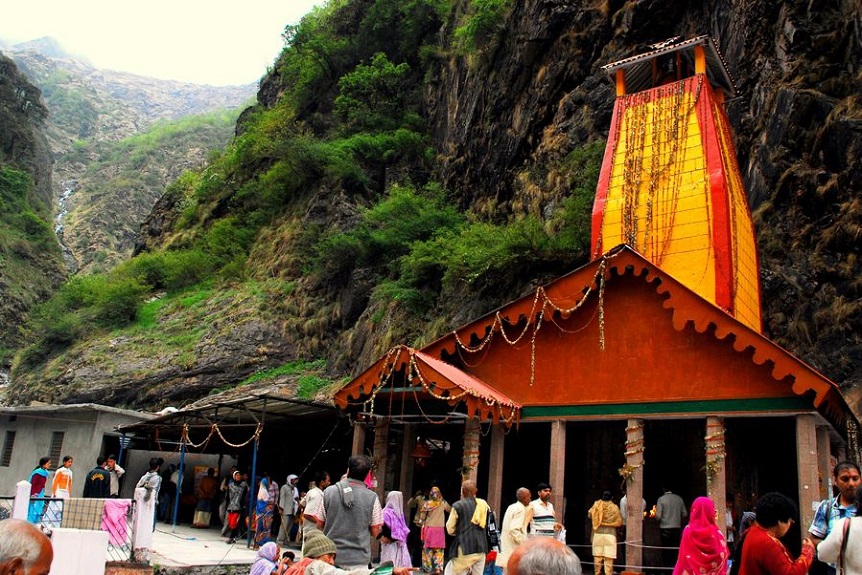
Start early for the Yamunotri pilgrimage. The vehicle covers the permitted road section, after which travellers continue towards the temple through the trekking route. The Yamunotri approach involves approximately 6 km of walking one way, making this the first substantial walking experience of the pilgrimage. Complete darshan and return to Barkot for an overnight stay.
-
Day 4 : (Explore Gangotri Dham & Retrun Uttarkashi (240 kms / 06 hrs)
Leave Barkot and travel towards Uttarkashi, changing the base for the next stage of the Char Dham route. The drive provides a quieter transition after the Yamunotri trek. On arrival, settle into the accommodation and take adequate rest. The next day involves the Gangotri excursion, so the evening can be used to prepare for another mountain-road journey.
-
Day 5 : (Next Day Visit Guptkashi From Uttarkashi (199.6 kms / 06 - 07 hrs drive)
Travel from Uttarkashi towards Gangotri, following the mountain road through the upper Himalayan landscape. After reaching Gangotri, complete the planned temple visit and spend time at the pilgrimage site. Later, return to Uttarkashi for the night. This separates the Gangotri excursion from the longer transfer towards the Kedarnath region.
-
Day 6 : (Go For Kedarnath From Guptkashi (30 kms by road & 20 kms trek)
Continue from Uttarkashi towards Guptkashi, covering a substantial road distance through the mountain region. This day is primarily dedicated to reaching the next pilgrimage base. After arrival, check into the accommodation and prepare for the following day's Kedarnath journey. Travellers should keep their trekking essentials light and easily accessible.
-
Day 7 : (Return Guptkashi After View Kedarnath Temple (30 kms by road & 20 kms trek)
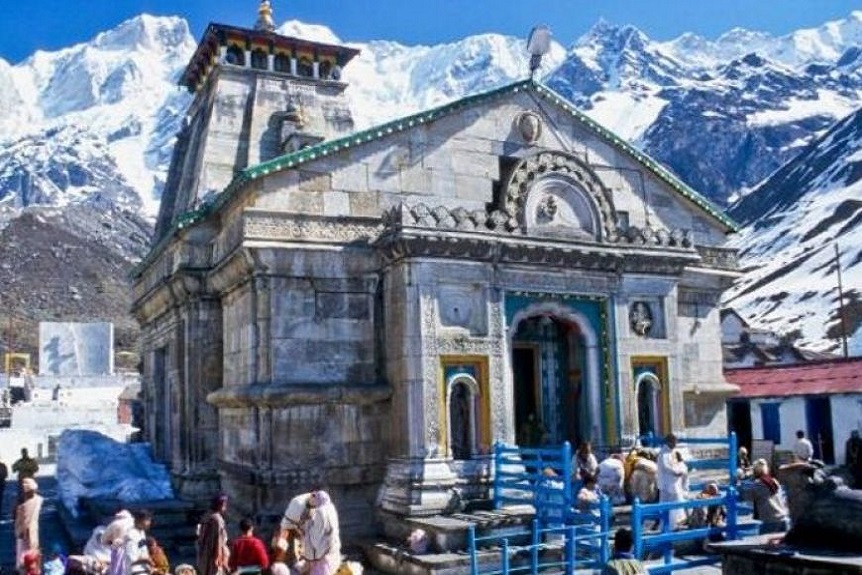
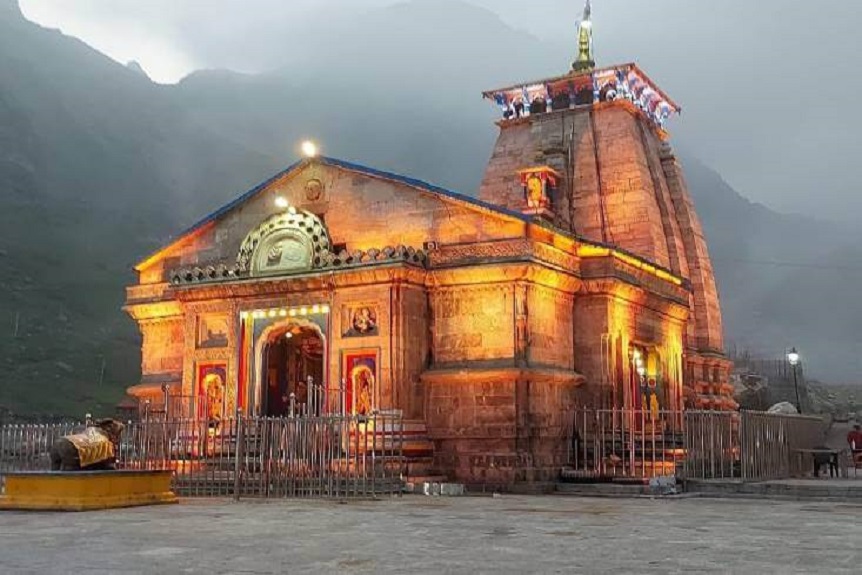
Begin the journey towards Kedarnath from the designated road-access point. The remaining section towards the shrine requires a long trek, making this one of the most physically demanding days of the tour. Allow sufficient time for walking, rest and darshan rather than rushing through the route. Follow the overnight or return arrangement specified in the confirmed itinerary.
-
Day 8 : (Today Plan Visit For Pandukeshwar (163.2 kms / 05 hrs 30 min)
After completing the Kedarnath pilgrimage, begin the return journey towards the road connection. Continue towards Pandukeshwar, where the planned halt provides a break before the final Dham. After the demanding Kedarnath section, this overnight stop gives travellers time to recover and prepare for Badrinath.
-
Day 9 : (Explore Badrinath Temple & Return Pandukeshwar (42 kms / 02 hrs drive
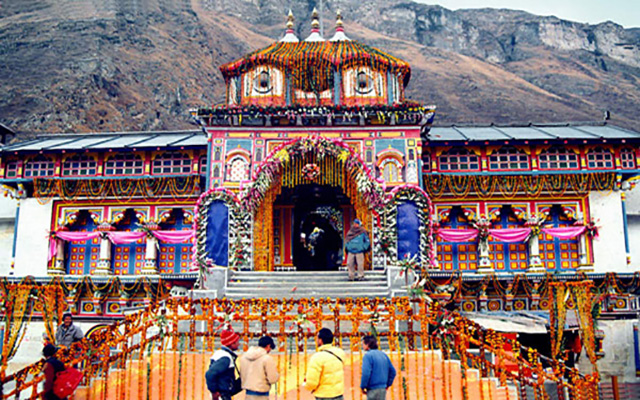
Pilgrimage to the fourth Dham known as Badrinath, being one of the Char Dham pilgrimages. Do the darshan as per the itinerary and stay in the temple as planned. After completing the pilgrimage, proceed further for the next leg of the trip heading towards the Chamoli region. As per the package itinerary, an overnight stop can be made en route as per the plan.
-
Day 10 : (Next Day Journey Start For Gangaria (trek aproxi 13 kms)
Move ahead to Govindghat, which acts as the entry point into the region of Valley of Flowers. The nature of the journey here becomes more of a Himalayan trek than a religious journey. The approach to Ghangaria is made via the trail, as the itinerary prescribed by Uttarakhand Tourism says that the Govindghat-Ghangaria trail is around 15 kilometres long. Once in Ghangaria, take rest at the arranged hotel. This camp is significant because it acts as the base for the journey the following day to the Valley of Flowers.
-
Day 11 : (Explore Valley of Flowers Then Come Back Gangaria (trek 10 kms both side)
The Valley of Flowers Trek should be initiated early in the morning from Ghangaria. As per the Uttarakhand Tourism schedule, the valley is approximately 4 km away from Ghangaria and mentions the trek as a forested and uphill journey. Make use of the available time to explore the valley, observe its alpine terrain, and take pictures without harming the environment. Once done with the tour, come back to Ghangaria via the same route and stay overnight in Ghangaria.
-
Day 12 : (Return Pandukeswar/Govind Ghat Then Drive To Srinagar)
Depart from Ghangaria and go back up the trekking trail towards Govindghat. From the time you start walking on the road, keep walking till the next stop that you have planned for the night. This particular day, after many days of pilgrim trekking, is all about coming out of the trekking area.
-
Day 13 : Depature At Haridwar Railway Station/Bus Terminal
Complete the journey back to Haridwar by travelling through the lower Himalayan regions. The return journey is designed for people to get accustomed to the plains after the trekking route. Travellers can take advantage of the journey as a means to relax after undertaking Char Dham and Valley of Flowers tours.

Tour Featured
Frequently Asked Questions?
Yes. The schedule is arranged such that the itinerary will allow the Char Dham pilgrimage along with a dedicated Valley of Flowers adventure.
Yes. Ghangaria serves as the base camp for the Valley of Flowers portion and is also the place where one would spend the night before going on the tour of the valley.
The valley portion of the itinerary is basically a trekking experience. It would involve travel to Ghangaria by following a certain trail, and then to the valley thereafter.
Travellers should keep the effort involved in mind while opting for the itinerary above since the valley part also involves walking.
The valley itself is a trekking destination; the itinerary involves Ghangaria as the base camp for accommodation and not the valley itself. In the same manner, the itinerary arranged by Uttarakhand Tourism also brings the travellers back to Ghangaria.
Both Kedarnath and the Valley of Flowers need to be prepared for separately because the latter will mean additional days of trekking on top of an already strenuous Char Dham tour.
No. The location is seasonal. From the schedule on the Uttarakhand Tourism website, the visit to the Valley of Flowers is in the summer to autumn access period.
Yes. Badrinath ends the Four Dham route, while afterwards the focus shifts to Govindghat, Ghangaria and the Valley of Flowers.
Yes. Carrying all trekking equipment such as walking shoes, rainwear, warm clothes, medicines, etc., in a handy pack could be helpful for switching from pilgrimage tourism to trekking.
The trek is described as moderately difficult on the Uttarakhand Tourism website. Newbies will need to take into account trekking distance, altitude and weather conditions.
OUR BEST SERVICES
-

Dedicated Tour Guidance
Our tour directors meticulously handle all aspects of your journey, ensuring seamless hotel reservations, flight arrangements, and curated recommendations for attractions and dining experiences.
-

One To One Service
From selecting the best deals to crafting bespoke itineraries that match your preferences, our personalized service ensures meticulous coordination of your entire travel schedule.
-

Tailored Tour Packages for Individuals and Groups
Whether you seek a solo adventure or a group excursion, our year-round packages provide comprehensive services, including accommodations, dining, and sightseeing, delivering an all-inclusive and hassle-free experience.
-

Fixed Departure Tours
Enjoy stress-free travel with our fixed departure tours. We manage every detail, from ticketing and visas to accommodations, offering a curated array of destinations for a worry-free and enriching travel experience.

Niraj Kumar

Ramchandran travels is also known for their excellent customer service, as evidenced by positive reviews from their satisfied clients. They offer 24/7 customer support, making it easy for travelers to reach out to them for assistance or queries at any time. Moreover, they have a team of experienced and knowledgeable travel experts who can provide valuable advice and recommendations to their clients.

Mohit Rana
My tour package manage Ramachandran Travels India ..service is so good...transportation...stay hotels...and most important call and massage comunication.is best....(tour plan .stay hotel daily co confirmed to msg and day tour inquiry......best service
Ankit Gupta
One of the key features of Ramchandran travels is their customizable packages that cater to the specific needs and preferences of their clients. They offer various packages for different types of travelers, including honeymooners, adventure seekers, solo travelers, and family groups. Additionally, their packages are affordable and competitive, making them accessible to a wide range of travelers.
Angadjot Singh Kamra
Booking with Ramachandran Travels was the best decision I made for my vacation. The team was responsive, accommodating, and went above and beyond to ensure that I had a seamless travel experience. I had the pleasure of exploring the beautiful state of Rajasthan with them, and it was an experience like no other. From the majestic forts to the vibrant bazaars, I got to see and experience the best of Rajasthan.
Rudal Kumar
Ramchandran travels provided me with an unforgettable travel experience! Their attention to detail and personalized approach made my trip to Himachal truly special. From the stunning landscapes to the warm hospitality, every aspect of my trip was meticulously planned and executed. I highly recommend Ramchandran Travels for anyone looking for an exceptional travel experience in India



