
-
Drop us an email: Click Here
-
Call us: +91 8929783205
- Get A Quote

Char Dham Yatra Package From Visakhapatnam
Price Per Person:
₹20400
Not Available
Overview
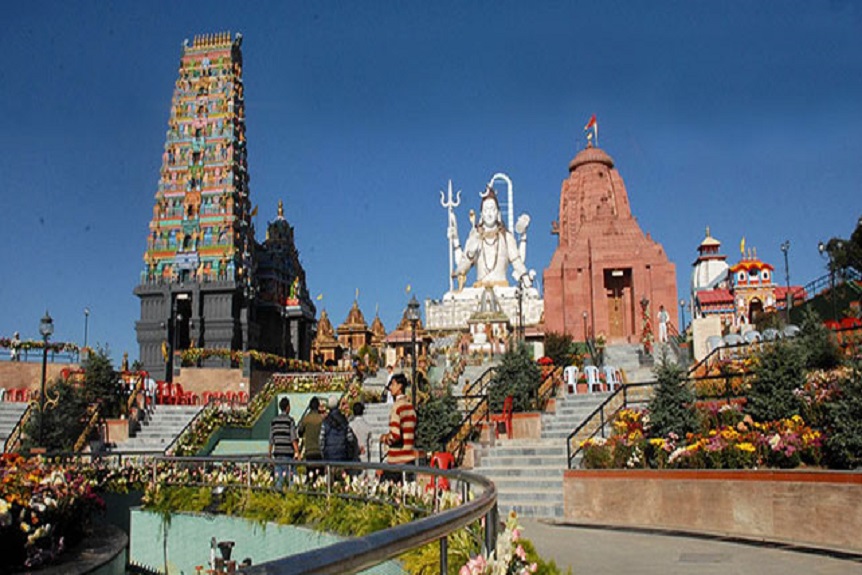
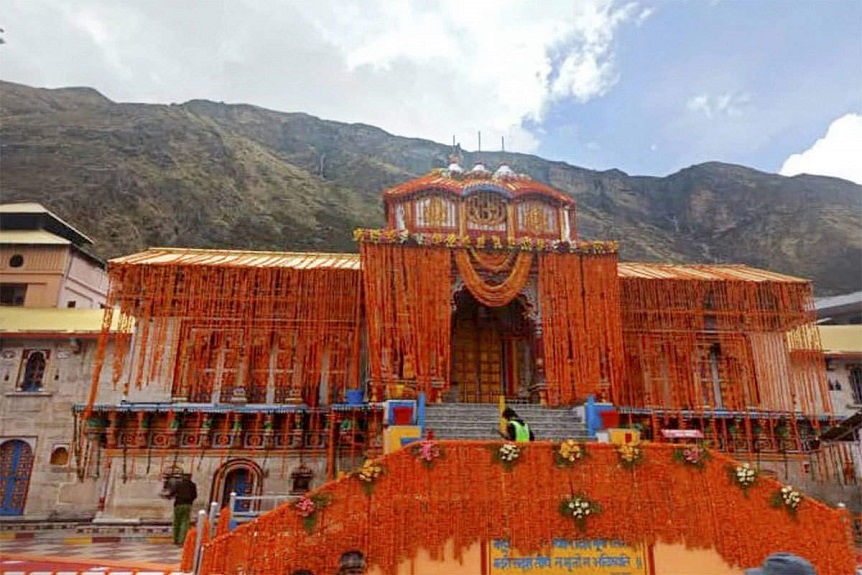
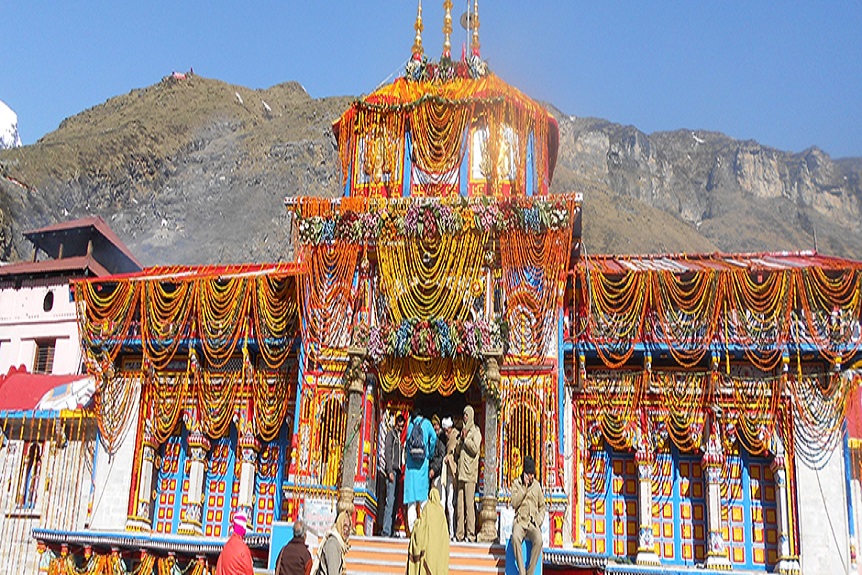
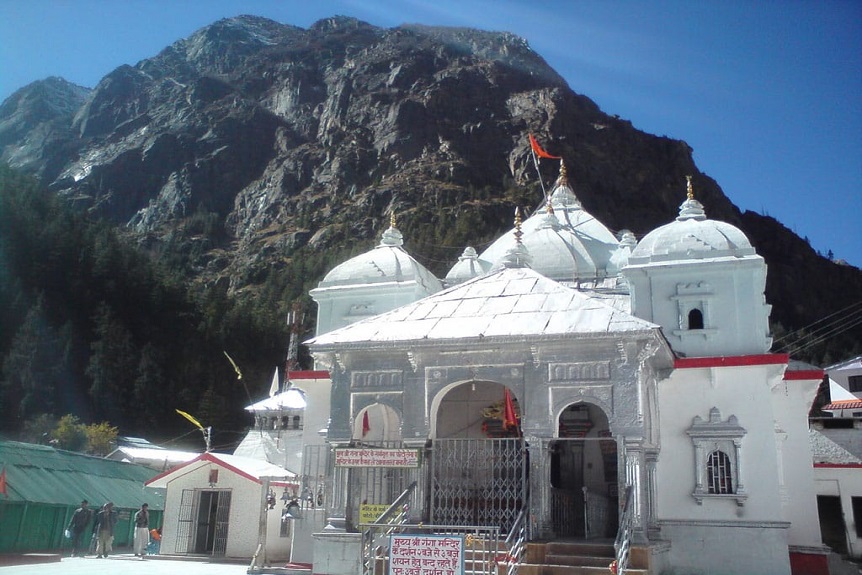
Char Dham Yatra Package From Visakhapatnam is a 12-day travel schedule for visiting Yamunotri, Gangotri, Kedarnath and Badrinath. This travel package passes by all the famous tourist locations in the Himalayas of Uttarakhand. This package starts with pick-up in Delhi and moves travellers to Haridwar and then enters the mountain travel. 11 nights and 12 days of travel is included in the package,
Travellers from Visakhapatnam can combine the first part of the travel in Delhi with the Char Dham tour schedule. Travellers need not visit the four temples immediately one after another but can use overnight stays at locations like Barkot, Uttarkashi, Guptkashi, Pandukeshwar and Srinagar. Thus, the Himalayan tour is completed in a phased manner by dividing the trip into days according to pilgrimage and trekking portions.
Inclusions
1. Accommodation for the scheduled 11-night itinerary.
2. Transportation for the destinations mentioned in the tour plan.
3. Delhi pickup at the beginning of the journey.
4. Transfers between the listed Himalayan destinations.
5. Sightseeing and pilgrimage visits included in the itinerary.
6. Meals as provided under the selected package.
7. Return transfer to Delhi at the end of the tour.
8. Drop-off at Delhi airport or railway station as mentioned in the itinerary.
Exclusions
1. Flights or train tickets between Visakhapatnam and Delhi.
2. Personal shopping and individual purchases.
3. Medical and emergency expenses.
4. Pony, palki or similar assistance during trekking sections.
5. Personal services not mentioned in the package.
6. Additional accommodation outside the scheduled itinerary.
7. Extra meals or refreshments beyond the package arrangement.
8. Expenses caused by personal itinerary changes.
9. Tips and other incidental expenses.
10. Any service not specifically listed as part of the package.
Important Notes
1. Plan the Delhi arrival carefully: Keep enough time between your arrival and the scheduled pickup.
2. Pack for two types of travel: You will need comfortable clothing for road journeys as well as proper gear for trekking.
3. Keep one accessible day bag: Carry water, documents, medicines and basic essentials separately.
4. Choose footwear carefully: Supportive shoes are useful for the Yamunotri and Kedarnath sections.
5. Carry weather protection: A rain layer and warm clothing can be useful in changing mountain conditions.
6. Keep luggage organised: Frequent transfers make compact and well-arranged luggage easier to handle.
7. Prepare for long drives: Several itinerary days involve extended travel on mountain roads.
8. Rest before trekking: Avoid treating the walking sections like ordinary sightseeing.
9. Keep important documents secure: Identification and booking details should remain easily accessible.
10. Leave return flexibility: Allow some buffer around your onward journey from Delhi.
-

Day 1 : (Delhi Arrival and Transfer Towards Haridwar (230 kms / 06 - 07 hrs)
The trip starts with the arrival at Delhi from Visakhapatnam, and then you travel further to Haridwar. The road travel distance is about 230 km and takes about 6-7 hours. Haridwar is the entrance gate to the Uttarakhand part of the pilgrimage route, and therefore it is the first point of stopover on the way there.
-
Day 2 : (Haridwar to Barkot Through the Himalayan Foothills (179 km / 07 hrs 55 min)
The second day leaves Haridwar behind and heads towards Barkot. The journey covers about 179 kilometres and takes approximately 7 hours 55 minutes. The changing scenery introduces travellers to the mountain environment before the itinerary reaches its first major pilgrimage excursion, Yamunotri. Barkot becomes the base for the night.
-
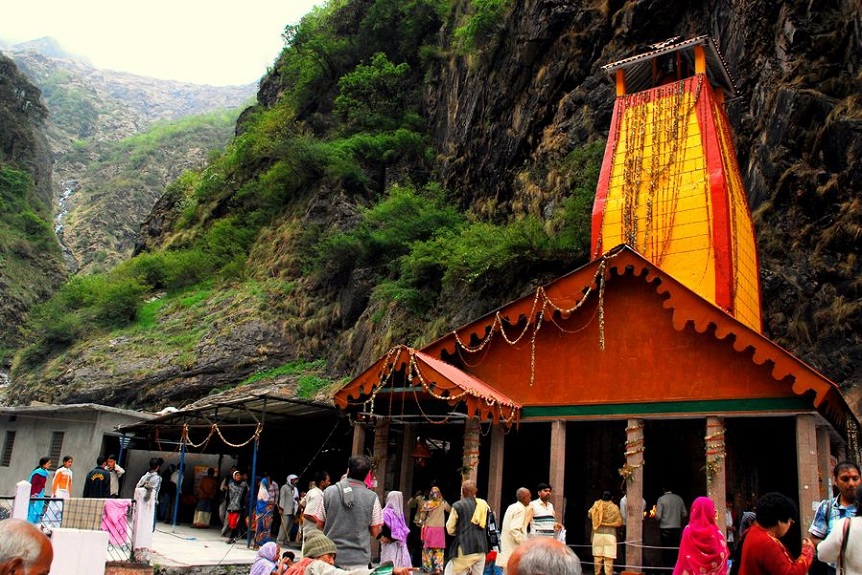
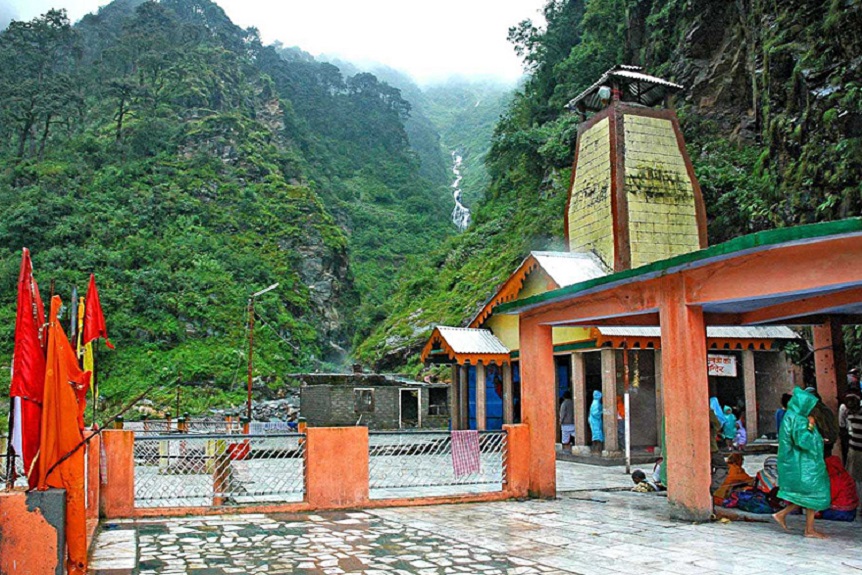
Day 3 : (Yamunotri Temple Visit and Return to Barkot (34 kms drive & 06 kms Trek “one sideâ€)
The first Dham is covered today. Travellers proceed around 34 kilometres by road before continuing on the approximately 6-kilometre one-way trekking route towards Yamunotri. After completing the temple visit, the return journey leads back to Barkot. Keeping only essential belongings in a small day bag can make the walking portion easier.
-
Day 4 : (Barkot to Uttarkashi for the Gangotri Leg (80 kms / 03 hrs drive)
The route changes based on Day 4, travelling approximately 80 kilometres from Barkot to Uttarkashi in around three hours. Uttarkashi provides a convenient position for the next day’s Gangotri excursion. After the mountain transfer, travellers can rest and prepare for another full day on the Himalayan roads.
-
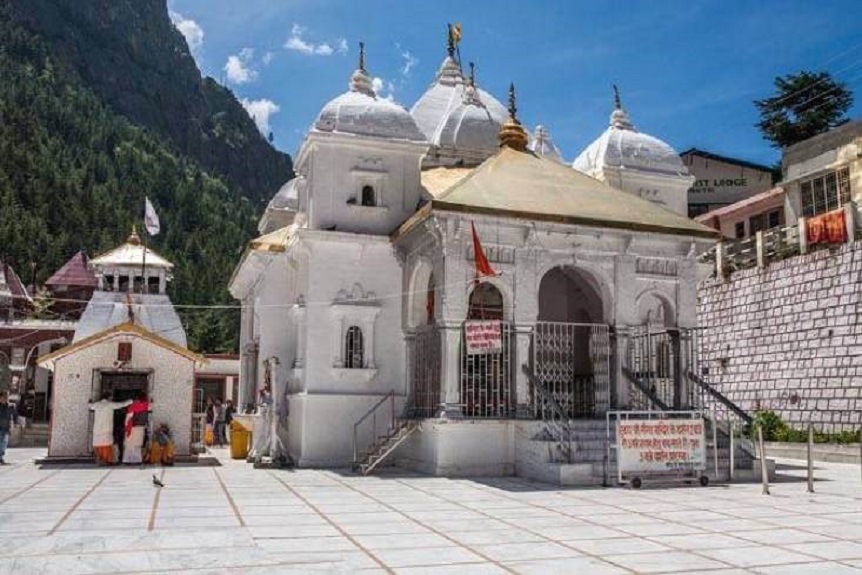
Day 5 : (Gangotri Darshan and Return to Uttarkashi (240 kms / 06 hrs)
The pilgrimage continues to Gangotri, the second Dham on the itinerary. The excursion covers approximately 240 kilometres in total and takes around six hours of travel. After the temple visit, travellers return to Uttarkashi. Since this is a substantial road journey, carrying water, personal essentials and a light warm layer is practical.
-
Day 6 : (Uttarkashi to Guptkashi Across the Mountain Route (199.6 kms / 06 - 07 hrs drive)
The sixth day is primarily a long transfer towards Guptkashi. The listed distance is approximately 199.6 kilometres, with a travel time of around 6–7 hours. This shift is important because Guptkashi becomes the base for the Kedarnath section. The day therefore acts as a bridge between the Gangotri and Kedarnath portions of the pilgrimage.
-
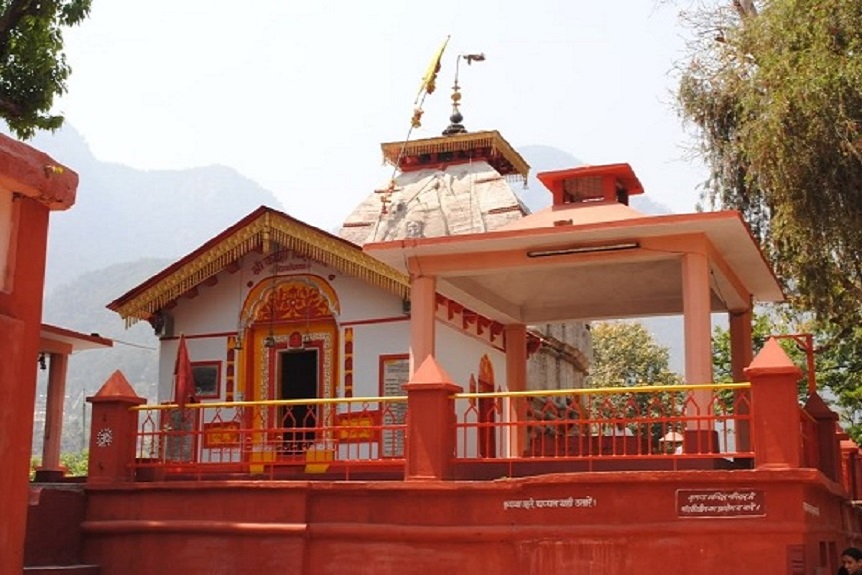
Day 7 : (Guptkashi to Kedarnath With Road and Trekking (30 kms by road & 20 kms trek)
Kedarnath is the focus of Day 7. The itinerary lists around 30 kilometres of road travel followed by approximately 20 kilometres of trekking. The temple visit forms one of the major highlights of the circuit, while the walking section requires suitable footwear and a comfortable pace.
-
Day 8 : (Kedarnath Darshan Followed by Return to Guptkashi (30 kms by road & 20 kms trek)
The following day completes the return from the Kedarnath section. The route again involves approximately 20 kilometres of trekking and 30 kilometres by road before reaching Guptkashi. After the demanding mountain section, travellers can use the overnight stop to rest before the route moves towards the Badrinath region.
-
Day 9 : (Guptkashi to Pandukeshwar Through the Upper Himalayan Route (163.2 km / 05 hrs 30 min)
The journey now moves towards Pandukeshwar, a distance of about 163.2 kilometres, in approximately 5 hours 30 minutes. The course will now move the pilgrims closer to Badrinath. Following the long trek from Kedarnath, this change of course is the next phase of the pilgrimage journey without another day.
-
Day 10 : (Badrinath Temple Visit and Drive Towards Srinagar (21 km + 165 kms / 06 hrs drive)
The fourth Dham is taken up on this day. Tourists pay a visit to the Badrinath Temple, after which they head off towards Srinagar. The journey is supposed to take you through about 21 km of the Badrinath segment and an additional 165 kilometres towards Srinagar, taking roughly six hours to drive.
-
Day 11 : (Srinagar to Haridwar on the Return Route (129.2 Km / 03 hrs 11 min)
Having completed the tour to all four Dhams, it is time to move towards Haridwar. The distance from Srinagar is about 129.2 kilometres, while the travel duration is estimated at 3 hours and 11 minutes. This particular day will mark the end of the tour within the mountains, towards Delhi transfer the next day.
-
Day 12 : (Haridwar to Delhi and Completion of the Journey (230 kms / 06 - 07 hrs)
The last day sees the tourists return from Haridwar to Delhi, travelling around 230 km within 6-7 hours. Once in the capital city, the itinerary offers transportation to either the airport or railway station of Delhi. The tourists are now ready to move ahead to their next destination, namely Visakhapatnam.

Tour Featured
Haridwar , Har Ki Pauri, Mansa Devi Temple, Chandi Devi Temple, Ganga Aarti, Rishikesh, Neelkanth Mahadev Temple, Trimbakeshwar Temple, Triveni Ghat, Dehradun , Lachhiwala, Sahastradhara, Robber’s Cave, Mussoorie,Kempty Falls, Jwala Devi Temple, Yamunotri, Barkot, Hanuman Chatti, Janki Chatti, Kharsali, Surya Kund, Divya Shila, Yamunotri Temple, Champasar Glacier, Prakateshwar Cave
Chardham Yatra From Haridwar , Chardham Yatra From Delhi, Chardham Yatra From Mumbai, Chardham Yatra From Chennai, Chardham Yatra From Bangalore, Chardham Yatra From Pune
Frequently Asked Questions?
The best time to go on the Rajasthan tour is between November and February. Average temperatures hover around 10°C in winter making it pleasant to enjoy sightseeing and other tourist activities. July to September is also an excellent time to visit Rajasthan as it is much cooler than the harsh summer months.
Jaipur in Rajasthan is about 270 km from Delhi and takes approximately five hours by car. Flight from Delhi to Jaipur is a little short of an hour. Jodhpur in Rajasthan is about 638 km and takes about 10.5 hours by car.
OUR BEST SERVICES
-

Dedicated Tour Guidance
Our tour directors meticulously handle all aspects of your journey, ensuring seamless hotel reservations, flight arrangements, and curated recommendations for attractions and dining experiences.
-

One To One Service
From selecting the best deals to crafting bespoke itineraries that match your preferences, our personalized service ensures meticulous coordination of your entire travel schedule.
-

Tailored Tour Packages for Individuals and Groups
Whether you seek a solo adventure or a group excursion, our year-round packages provide comprehensive services, including accommodations, dining, and sightseeing, delivering an all-inclusive and hassle-free experience.
-

Fixed Departure Tours
Enjoy stress-free travel with our fixed departure tours. We manage every detail, from ticketing and visas to accommodations, offering a curated array of destinations for a worry-free and enriching travel experience.

Niraj Kumar

Ramchandran travels is also known for their excellent customer service, as evidenced by positive reviews from their satisfied clients. They offer 24/7 customer support, making it easy for travelers to reach out to them for assistance or queries at any time. Moreover, they have a team of experienced and knowledgeable travel experts who can provide valuable advice and recommendations to their clients.

Mohit Rana
My tour package manage Ramachandran Travels India ..service is so good...transportation...stay hotels...and most important call and massage comunication.is best....(tour plan .stay hotel daily co confirmed to msg and day tour inquiry......best service
Ankit Gupta
One of the key features of Ramchandran travels is their customizable packages that cater to the specific needs and preferences of their clients. They offer various packages for different types of travelers, including honeymooners, adventure seekers, solo travelers, and family groups. Additionally, their packages are affordable and competitive, making them accessible to a wide range of travelers.
Angadjot Singh Kamra
Booking with Ramachandran Travels was the best decision I made for my vacation. The team was responsive, accommodating, and went above and beyond to ensure that I had a seamless travel experience. I had the pleasure of exploring the beautiful state of Rajasthan with them, and it was an experience like no other. From the majestic forts to the vibrant bazaars, I got to see and experience the best of Rajasthan.
Rudal Kumar
Ramchandran travels provided me with an unforgettable travel experience! Their attention to detail and personalized approach made my trip to Himachal truly special. From the stunning landscapes to the warm hospitality, every aspect of my trip was meticulously planned and executed. I highly recommend Ramchandran Travels for anyone looking for an exceptional travel experience in India



