
-
Drop us an email: Click Here
-
Call us: +91 8929783205
- Get A Quote

Char Dham Yatra Package From Varanasi
Price Per Person:
₹20400


Overview
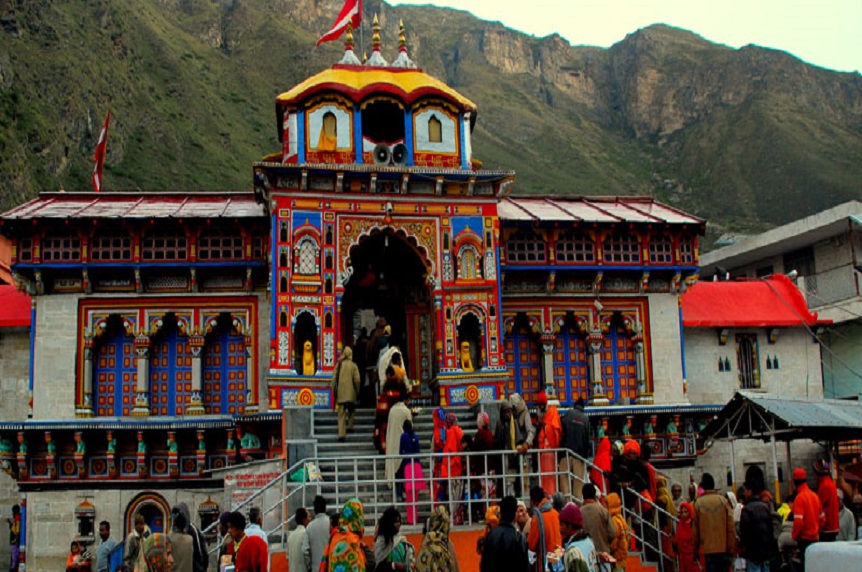
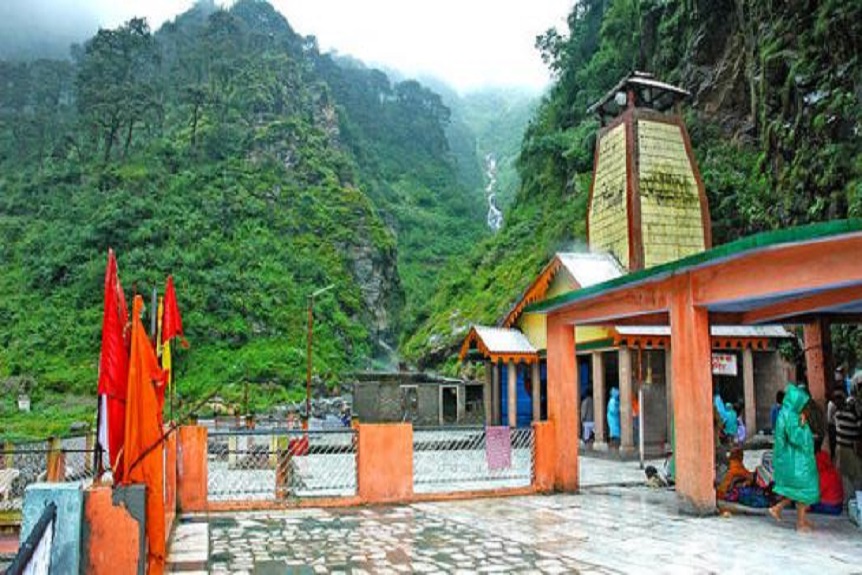
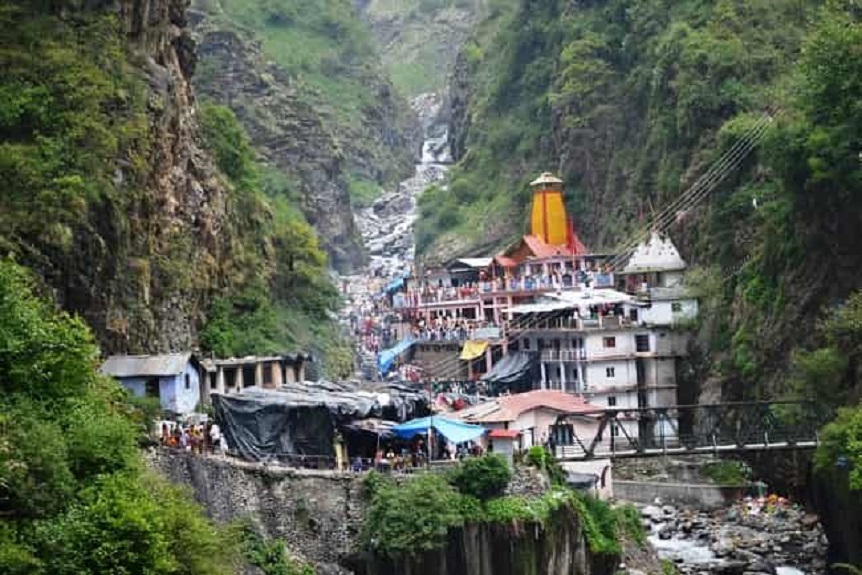
Char Dham Yatra Package From Varanasi combines a pilgrimage to Yamunotri, Gangotri, Kedarnath, and Badrinath using a planned route in Uttarakhand. Rather than making different travel and accommodation arrangements for each mountain location, the traveller makes use of an organised journey that covers all the key pilgrimage destinations on the tour.
The critical aspect for the traveller coming from Varanasi is to ensure that he or she gets to the planned starting point in Uttarakhand before commencing the tour. Upon beginning the Himalayan tour, the journey covers Barkot, Uttarkashi, Guptkashi, Pandukeshwar, and Srinagar. This itinerary is meant for those who want to cover all the Dhams in one tour.
Package Includes
1. Accommodation for the scheduled nights.
2. Transportation according to the planned route.
3. Transfers between the destinations mentioned in the itinerary.
4. Sightseeing and pilgrimage visits included in the programme.
5. Meals according to the selected package arrangement.
6. Assistance during the scheduled journey.
7. Road transfers required for the listed Himalayan destinations.
Package Excludes
1. Travel between Varanasi and the tour's designated starting point.
2. Personal shopping and individual purchases.
3. Personal medicines and medical expenses.
4. Optional activities or services outside the itinerary.
5. Pony, palki or other assisted trekking arrangements, where required.
6. Additional accommodation caused by personal changes.
7. Extra meals or services not specified in the package.
8. Expenses arising from unforeseen personal requirements.
9. Tips and other incidental personal costs.
Important Notes
1. Plan the Varanasi connection early: Maintain adequate distance between your arrival in Uttarakhand and the time when your tour begins.
2. Pack in layers: The climate of the Himalayas varies a lot from place to place.
3. Carry a compact day bag: Maintain access to things that you often need separately from your luggage.
4. Use proper walking shoes: Approach roads to temples and trekking routes can be uneven.
5. Protect your documents: Maintain access to your identification and travel papers.
6. Carry rain protection: The weather could change suddenly in the mountains.
7. Keep hydration in mind: Water will be very crucial in the longer trekking sessions.
8. Avoid overpacking: It will be easier for you to handle smaller luggage.
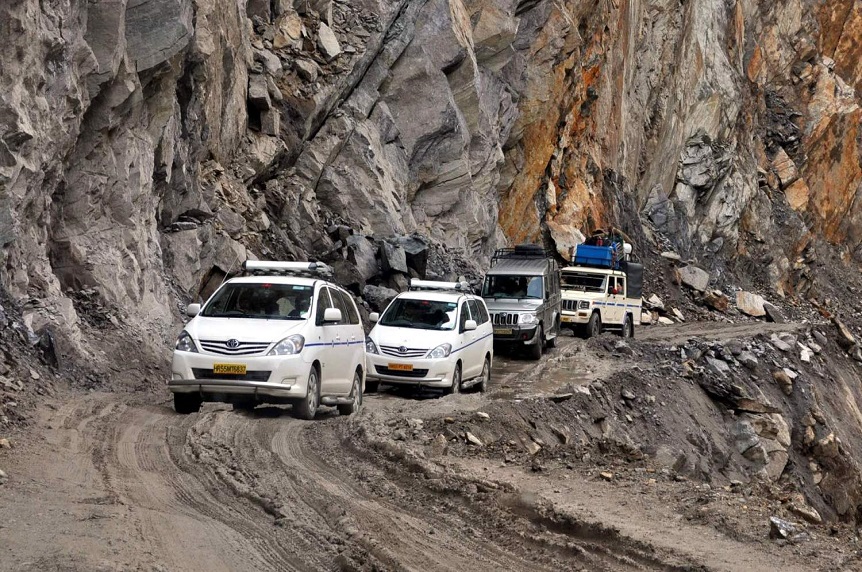
9. Prepare for winding roads: Some tourists will be tired by the mountain drives.
10. Keep onward travel flexible: Some extra time will be needed while booking your return trip.
-

Day 1 : (Dehradun to Barkot With the First Himalayan Stretch (169 kms / 06 hrs 55 min)
The pilgrimage begins at Dehradun as the bus starts to move to Barkot. Gradually, the path moves out of urban areas and enters the mountains, thus becoming the first entry point of the pilgrimage into the Himalayas. Barkot becomes the starting point of the next day’s pilgrimage to Yamunotri.
-
Day 2 : (Barkot to Yamunotri for the First Dham Darshan (34 kms drive & 06 kms Trek one side)
The second day shifts attention from road travel to the Yamunotri pilgrimage. Travellers proceed towards the starting point for the trek and continue on foot to the temple. After completing Darshan, the return journey brings everyone back towards Barkot. A lightweight day bag and dependable walking shoes are especially useful today.
-
Day 3 : (Barkot to Uttarkashi and a Change of Pilgrimage Base (80 kms / 03 hrs drive)
The route leaves Barkot and continues towards Uttarkashi. This transfer marks the next stage of the Char Dham circuit and places travellers closer to Gangotri. Rather than packing the day with multiple temple visits, the itinerary uses the journey to reposition the group for the following excursion.
-
Day 4 : (Gangotri Excursion Through the Mountain Route (240 kms / 06 hrs)
Gangotri takes centre stage on the fourth day. Travellers leave Uttarkashi for the temple visit and later return to the same base. The excursion involves a substantial amount of road travel, so it is useful to carry water, personal essentials and an extra layer where required.
-
Day 5 : (Uttarkashi to Guptkashi Before the Kedarnath Chapter (240 kms / 06 hrs)
The pilgrimage now moves towards Guptkashi. This is primarily a transfer day, with the route crossing deeper into the Himalayan region. Reaching Guptkashi places travellers in position for the Kedarnath section that follows, making this an important connecting stage rather than another sightseeing-heavy day.
-
Day 6 : (Kedarnath Darshan and the Most Demanding Walking Section (60 kms by road & 40 kms trek
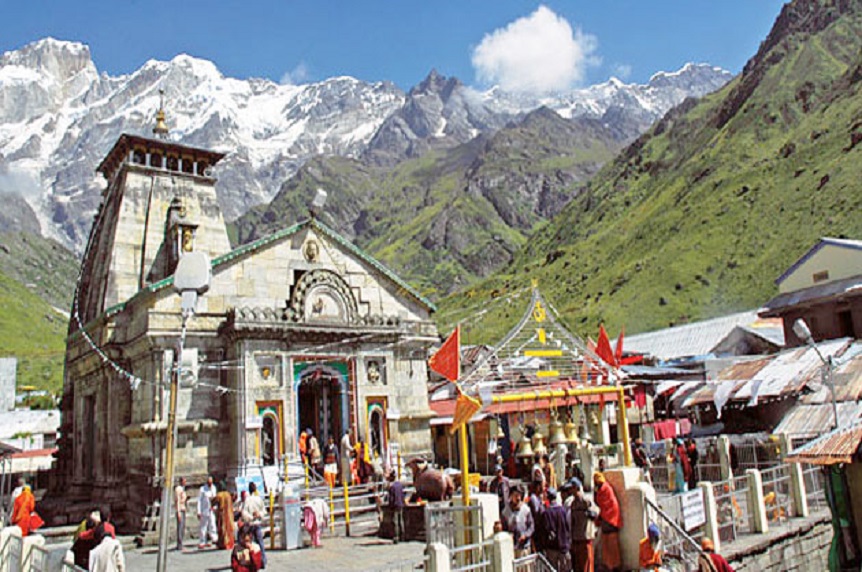
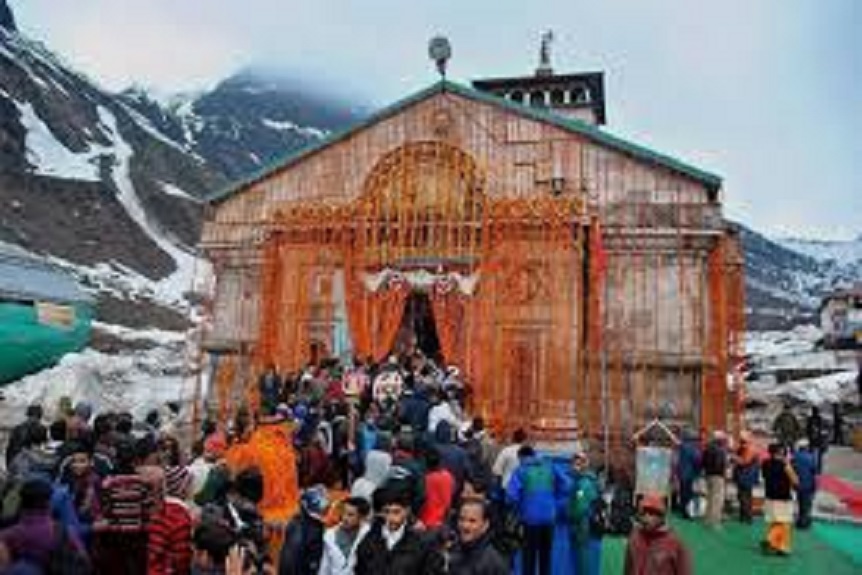
Kedarnath brings one of the most physically intensive stages of the pilgrimage. Travellers undertake the road journey towards the trekking point and continue on foot towards the temple. After Darshan, the scheduled return is completed as part of the itinerary. Comfortable footwear, sufficient hydration and sensible pacing are important for this section.
-
Day 7 : (Guptkashi to Pandukeshwar as the Route Turns Towards Badrinath(163.2 kms / 05 hrs 30 min)
After completing the Kedarnath portion, the journey continues towards Pandukeshwar. The landscape and route direction change as the pilgrimage approaches the Badrinath region. The day's purpose is to cover the mountain transfer and establish the next overnight base before the final Dham visit.
-
Day 8 : (Badrinath Darshan Followed by the Journey Towards Srinagar (21 kms + 165 kms / 06 hrs drive)
Badrinath is covered today, completing the four-Dham temple circuit. Following the temple visit, the journey continues towards Srinagar. This creates a natural transition from the final pilgrimage stop to the return journey, rather than keeping travellers in the high-altitude region for an additional unnecessary night.
-
Day 9 : (Srinagar to Dehradun and Completion of the Yatra (119.2 kms / 02 hrs 32 min
The final stretch brings the group back towards Dehradun. Once the vehicle reaches the city, travellers can continue with their onward travel arrangements. Those heading back to Varanasi should keep their return connection planned with suitable time flexibility.

Tour Featured
Frequently Asked Questions?
Yes, it can be easier to transport necessary items with a day bag in temples and walk segments.
Yes, there is a transition through various Himalayan altitudes and terrains in the route between four Dhams.
The transfer to Uttarkashi, Guptkashi and Pandukeshwar will mostly assist in preparing pilgrims for the next pilgrimage segment.
Yes, they may help in protecting clothes and other belongings from the weather if it rains in road transfers.
Yes, carrying duplicates of identification papers and booking papers can be a good practice while travelling in multiple segments.
Yes, windy roads, altitude changes and longer driving times can make the journey to the Himalayas unique from a regular city-to-city one.
Yes. The schedule ends the Kedarnath segment prior to heading towards Pandukeshwar and then moving further towards Badrinath.
Water, medicine, food items, ID and a jacket may be carried nearby.
Yes. It will give some extra time in case mountainous travel consumes more time than anticipated.
Yes. There is mountain driving, trekking, changes in landscape, and stay at different places in Uttarakhand.
OUR BEST SERVICES
-

Dedicated Tour Guidance
Our tour directors meticulously handle all aspects of your journey, ensuring seamless hotel reservations, flight arrangements, and curated recommendations for attractions and dining experiences.
-

One To One Service
From selecting the best deals to crafting bespoke itineraries that match your preferences, our personalized service ensures meticulous coordination of your entire travel schedule.
-

Tailored Tour Packages for Individuals and Groups
Whether you seek a solo adventure or a group excursion, our year-round packages provide comprehensive services, including accommodations, dining, and sightseeing, delivering an all-inclusive and hassle-free experience.
-

Fixed Departure Tours
Enjoy stress-free travel with our fixed departure tours. We manage every detail, from ticketing and visas to accommodations, offering a curated array of destinations for a worry-free and enriching travel experience.

Niraj Kumar

Ramchandran travels is also known for their excellent customer service, as evidenced by positive reviews from their satisfied clients. They offer 24/7 customer support, making it easy for travelers to reach out to them for assistance or queries at any time. Moreover, they have a team of experienced and knowledgeable travel experts who can provide valuable advice and recommendations to their clients.

Mohit Rana
My tour package manage Ramachandran Travels India ..service is so good...transportation...stay hotels...and most important call and massage comunication.is best....(tour plan .stay hotel daily co confirmed to msg and day tour inquiry......best service
Ankit Gupta
One of the key features of Ramchandran travels is their customizable packages that cater to the specific needs and preferences of their clients. They offer various packages for different types of travelers, including honeymooners, adventure seekers, solo travelers, and family groups. Additionally, their packages are affordable and competitive, making them accessible to a wide range of travelers.
Angadjot Singh Kamra
Booking with Ramachandran Travels was the best decision I made for my vacation. The team was responsive, accommodating, and went above and beyond to ensure that I had a seamless travel experience. I had the pleasure of exploring the beautiful state of Rajasthan with them, and it was an experience like no other. From the majestic forts to the vibrant bazaars, I got to see and experience the best of Rajasthan.
Rudal Kumar
Ramchandran travels provided me with an unforgettable travel experience! Their attention to detail and personalized approach made my trip to Himachal truly special. From the stunning landscapes to the warm hospitality, every aspect of my trip was meticulously planned and executed. I highly recommend Ramchandran Travels for anyone looking for an exceptional travel experience in India



